
Branded Residences: How a Luxury Exception Became a Global Real Estate Standard

Just a few years ago, branded residences were a rarity. Today, they are among the fastest-growing segments of the luxury real estate market, reshaping how both investors and buyers perceive the value of residential property.
It is not just about a name on the façade. Branded residences combine residential real estate with world-renowned hotel or lifestyle brands that guarantee standards of service, design, and property management. This combination has proven to be exceptionally powerful.
The World in Numbers: Rapid Growth With No Signs of Slowing
According to global data, the number of branded residence projects increased from 169 in 2011 to more than 600 by 2025. Forecasts by leading real estate advisory firms suggest that this number could exceed 1,000 by the end of the decade.
The volume of individual units is also growing. While fifteen years ago this segment comprised only several tens of thousands of units, by 2030 the total is expected to surpass 160,000 residences. This growth is not evenly distributed; it is concentrated primarily in global metropolitan areas and international investment hubs.

Mercedes-Benz and JDS Development Group plan to open Mercedes-Benz Places in 2027 in Miami’s Brickell neighborhood. (The Boundary)
Why Branded Residences Command Higher Prices and Why the Market Accepts It
One of the most frequently cited concepts in professional reports is the “price premium,” meaning the additional value at which a branded residence sells compared to a comparable non-branded property in the same location.
Global analyses show that this premium most commonly ranges between approximately 20% and 35%. This is not an exception, but a repeatedly observed phenomenon across different regions worldwide.
Buyers are willing to pay more mainly because the brand reduces uncertainty. It guarantees quality, long-term management, and an internationally recognizable standard. In practice, this also translates into better liquidity upon resale.
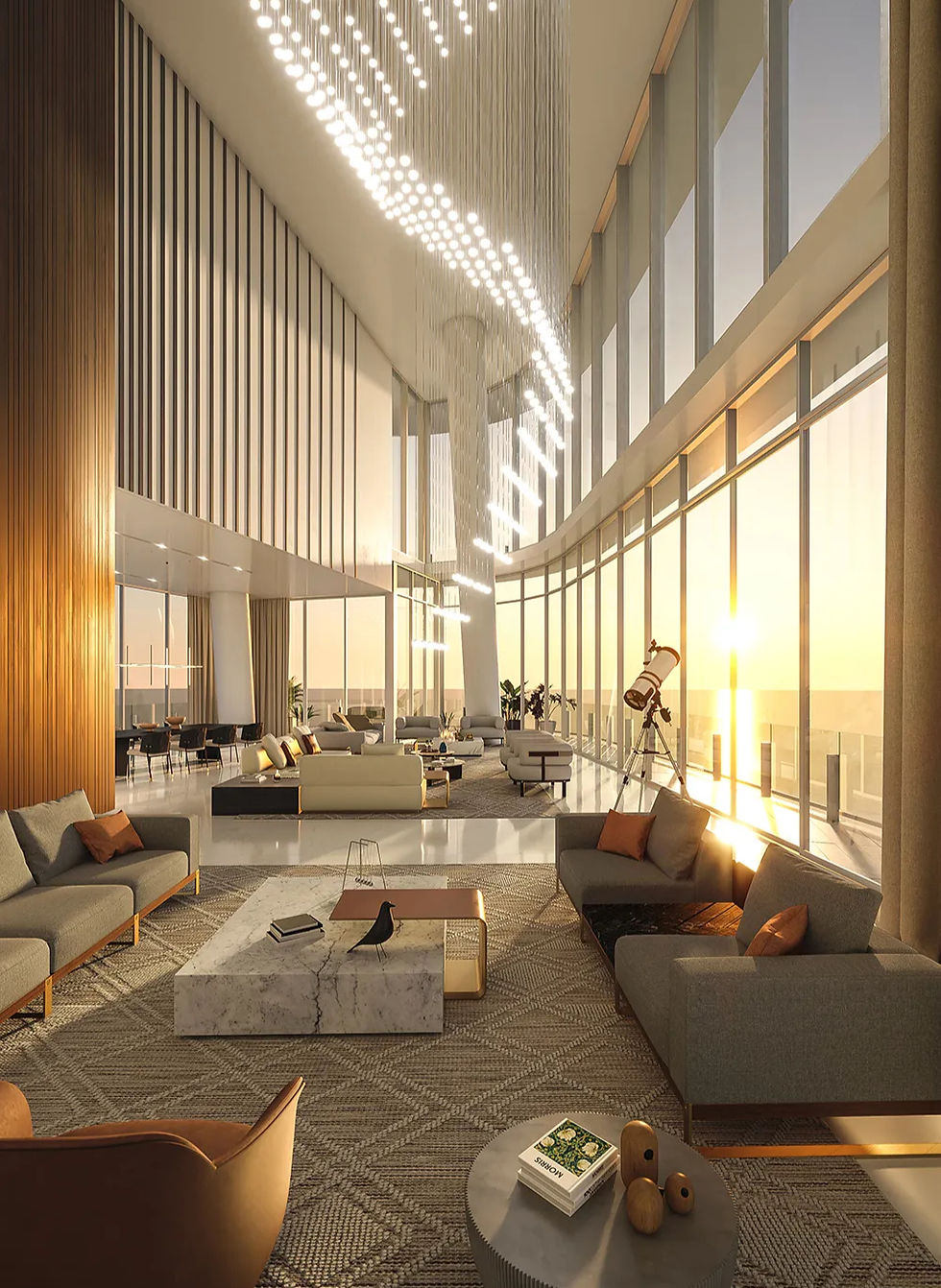
An Aston Martin Residences triplex penthouse in Miami
Dubai: The City Where Branded Residences Are Breaking Records
If there is one city that has become synonymous with this trend, it is Dubai. Several independent analyses describe it as the most active branded residence market in the world.
Data from 2025 show that:
the number of branded residence transactions in Dubai increased year-on-year by 26%,
the total value of these transactions rose by as much as 51%.
Even more striking is the price comparison. In Dubai, branded residences sell on average at a premium of approximately 64% over comparable non-branded units. Such a level of premium is exceptional globally and confirms strong demand from international investors.
By 2030, more than 31,000 branded residential units are planned to be delivered in Dubai across approximately 110 projects, further strengthening its position as a global leader.

The Bulgari Lighthouse, Jumeirah Bay Island, Dubai
Where Else Construction Is Accelerating
North America, particularly the United States, continues to hold a strong position. The region has hundreds of completed projects and dozens more under development, with South Florida standing out as a key hotspot.
Europe and Asia are experiencing a rapid rollout of new projects, especially in prime cities and resort destinations. A common feature across these markets is their focus on international buyers and long-term value preservation.

The Residences at Mandarin Oriental, Miami
Which Brands Dominate
In terms of portfolio size and geographic reach, Marriott is the global leader, with hundreds of branded residential projects either completed or in the pipeline across dozens of countries. According to publicly available information, its residential projects have generated billions in sales for developers.
However, it is important to note that even a strong brand alone does not guarantee success. Outcomes always depend on location, project quality, and contractual structure.
When It Doesn’t Work: What Failures Reveal
Even in this segment, there are documented cases where a brand withdrew from a project or disputes arose with buyers. These cases are now used as standard warnings in investment due diligence: a brand can enhance value, but it cannot replace quality development and transparent contracts.
Conclusion: A New Standard of Luxury Living
Over the past decade, branded residences have moved from a niche concept into the mainstream of the global luxury real estate market. Data point to higher prices, faster sales, and strong demand, particularly in cities such as Dubai, Miami, and New York.
For investors, this represents an opportunity, but only if decisions are based on facts, not marketing.
If you would like to know which branded properties offer real investment potential, schedule a free consultation.


Comments